

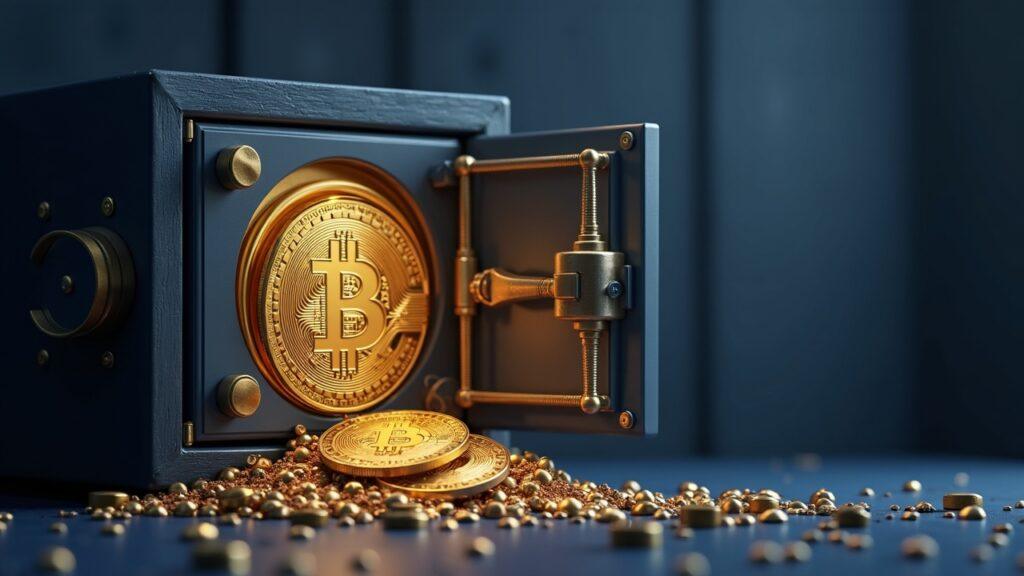
Kansas Senate Bill 352 (SB 352), introduced by Senator Craig Bowser on January 21, 2026, would create a state-managed Bitcoin and digital assets reserve inside the Kansas state treasury. The proposal is designed to build a strategic reserve primarily from digital assets that already fall under state custody, while setting guardrails for custody, staking, and token-specific treatment.
The measure was referred to the Kansas Senate Financial Institutions and Insurance Committee and, as of January 23, 2026, remains under committee consideration. At this stage, the bill is still in the committee workflow and has not advanced beyond that review track.
How SB 352 funds and structures the reserve
SB 352 centers the reserve around unclaimed digital property rather than direct market buying. The draft frames the reserve’s primary inflows as dormant cryptocurrencies, airdrops, and staking rewards captured through amendments to Kansas unclaimed property statutes. In practice, the bill’s architecture leans on defining what qualifies as unclaimed digital property and then routing that property into the reserve as it is brought into state control.
The bill also draws a clear line between Bitcoin and other digital assets once they enter the reserve. Bitcoin is given special status by being explicitly exempted from transfer to the state’s general fund, while 10% of non-Bitcoin digital assets deposited into the reserve would be allocated to the general fund. This design effectively hard-codes a differentiated treasury policy: Bitcoin is held back as a strategic balance-sheet asset, while non-Bitcoin inflows are partially monetized for general funding.
Operationally, the draft emphasizes institutional-grade custody and defined handling rules. SB 352 would rely on qualified, licensed custodians—including chartered banks and trust companies authorized to operate in Kansas—to manage holdings and to stake assets and accept airdrops on behalf of the reserve. The mechanics also specify that staking yields or airdrop proceeds that remain unclaimed after three years would flow into the reserve fund, while governance, record-keeping, and risk management requirements are positioned as controls to reduce operational and custody risk.
Policy context and what to monitor next
SB 352 lands amid a growing wave of state-level initiatives that seek to integrate digital assets into public finance using different sourcing models. Kansas’ approach—repurposing unclaimed digital property—sits alongside other state efforts that, in some cases, have pursued direct purchase authority for Bitcoin reserves. Within Kansas specifically, the proposal also coincides with a separate policy track: SB 34, which has been proposed to permit up to 10% of the state pension fund to allocate to Bitcoin-backed products.
The bill also arrives during broader federal-level discussion around government digital asset stockpiles and strategic Bitcoin reserves. As written, SB 352 places Kansas inside a patchwork of approaches that range from exploratory work to active reserve proposals, with the committee process serving as the immediate gating item.