

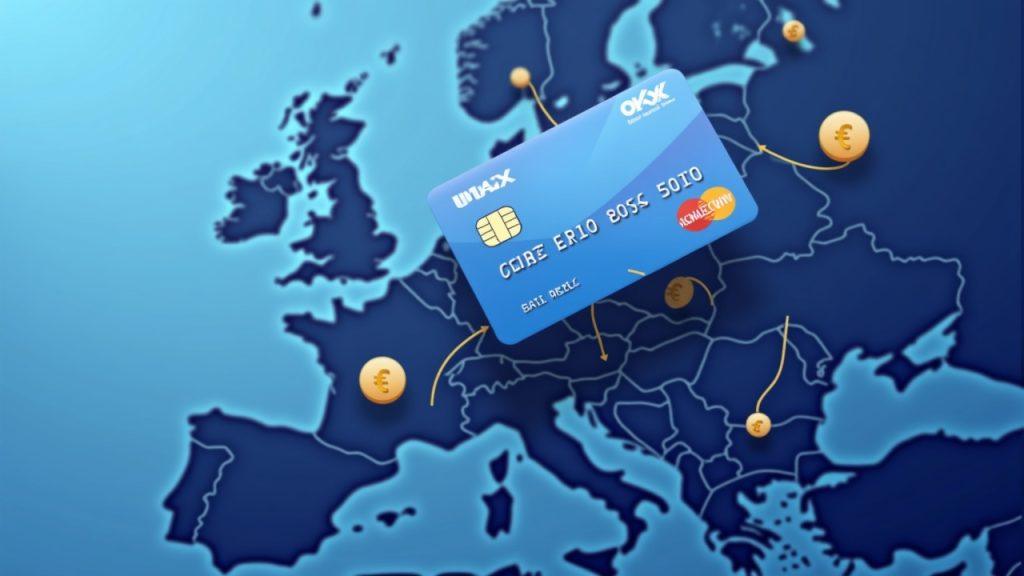
OKX secured a Malta Payment Institution (PI) licence, a regulatory milestone that allows the exchange to run regulated stablecoin payment services across the European Economic Area. By unlocking passporting rights and aligning its payments infrastructure with upcoming EU requirements, the authorisation reframes how OKX can channel stablecoin usage into everyday transactions.
The Maltese PI licence enables OKX Europe Limited to offer stablecoin-backed payment services across the EEA without having to pursue separate approvals in each jurisdiction. Within the evolving EU framework, the PI designation acts as the operational bridge that complements MiCA-aligned stablecoin obligations ahead of the March 2026 implementation timeline.
What the PI Licence Changes for EEA Rollout
Under the same framework, stablecoins classified as electronic money tokens require either a PI or an Electronic Money Institution authorisation alongside MiCA compliance, making the licence a key piece of the payments setup. In practical terms, the PI status is positioned as the final regulatory component that prepares OKX to provide stablecoin payment functionality as MiCA takes effect in March 2026.
In parallel, OKX’s payments products are described as operating through established rails and integrations: the OKX Card runs on the Mastercard network, supports payments with global merchants, and is compatible with Apple Pay and Google Pay for mobile and contactless use. Stablecoins such as USDC and USDG are presented as converting to euros at point of sale, with a nominal 0.1% market spread applied on Mastercard transactions.
The card program is stated to be issued by UAB Monavate, described as a Lithuanian-authorised entity, and the OKX Card is reported to have expanded availability to 30 EEA countries. Together, those components indicate a payments stack built around third-party issuance and settlement, while presenting stablecoin conversion as a user-facing feature at checkout.
Operationally, the PI licence brings OKX Pay and the OKX Card under a regulated payments framework that reduces legal friction for stablecoin transactions and simplifies cross-border rollout. Passporting rights reduce the need for multiple local licences, which can compress expansion costs and accelerate product distribution across member states.
Strategic Implications for Compliance and Competition
For investors and institutional partners, the licence strengthens OKX’s compliance profile by pairing payments authorisation with its existing MiCA and MiFID II arrangements. That combined posture can make integrations with traditional financial rails more straightforward and may lift institutional confidence in custody and settlement services connected to stablecoins.
The authorisation also raises the competitive threshold in the EEA, because firms without comparable PI or EMI permissions face steeper constraints in offering regulated stablecoin payment rails. At the same time, OKX remains within an oversight environment where regulators continue to scrutinise how non-custodial Web3 tools interact with compliance expectations, and where transaction reporting to tax authorities applies where legally required.
MiCA’s full implementation in March 2026 is framed as formalising both the classification of electronic money tokens and the supervisory expectations for stablecoin payments. The PI licence positions OKX to scale these products as the rules land, while increasing the operational spotlight on controls, reporting, and the third-party partnerships that support card issuance and settlement.