

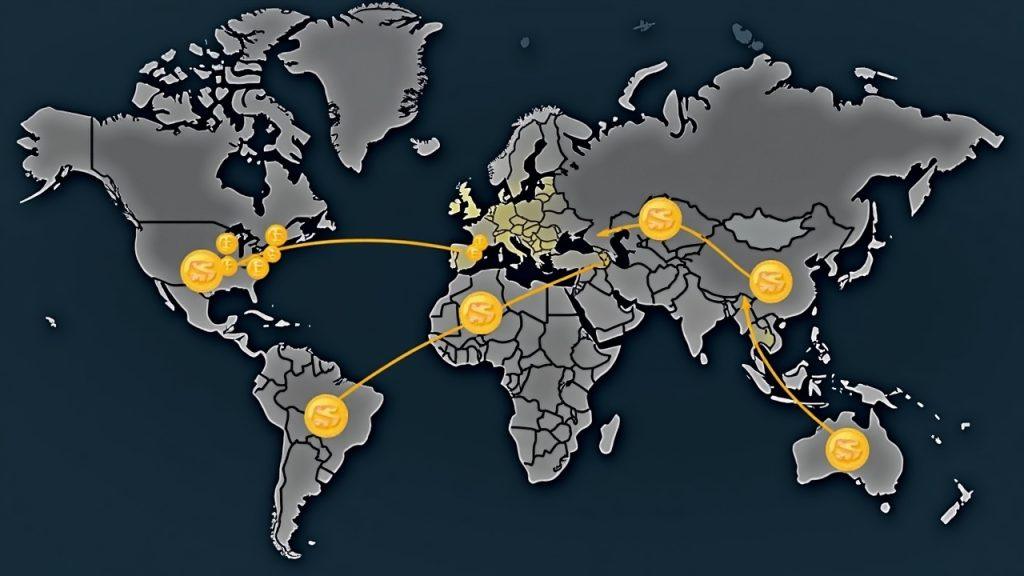
Binance told a U.S. Senate inquiry that its internal review found no evidence of exchange accounts directly sending cryptocurrency to Iranian entities, while acknowledging that indirect exposure may have existed through chains of intermediary wallets. In a letter dated March 6, 2026 to Senator Richard Blumenthal’s Permanent Subcommittee on Investigations, the company said the issue was not one of direct transfers from Binance users to sanctioned actors, but of more layered flows moving through several wallets before reaching addresses later cited in public reporting. That distinction between direct activity and indirect exposure now sits at the center of Binance’s defense as scrutiny over sanctions-linked crypto flows intensifies.
Rather than denying that funds connected to the platform may have ended up in higher-risk networks, Binance is drawing a much narrower line around what it says actually happened on-platform. The exchange stated that its review did not identify any Binance accounts that sent assets directly to wallets tied to Iran. Instead, it described the alleged links as involving “multiple intermediary wallets with more than three degrees of separation” between Binance accounts and the entities referenced in media reports, including those associated with Iran’s Islamic Revolutionary Guard Corps. By framing the issue as one of complex blockchain tracing rather than obvious platform misconduct, Binance is trying to reduce the appearance of direct sanctions exposure.
Binance says it acted once risky intermediaries were identified
The March 6 letter also emphasized that Binance took action against intermediaries once internal reviews raised concerns. Press reports had named Hexa Whale and Blessed Trust as conduits in the alleged movement of funds. Binance responded that it removed Hexa Whale from the platform in August 2025 and offboarded Blessed Trust in January 2026 after completing internal inquiries. The company added that it reported suspicious activity to law enforcement and shared information relating to Blessed Trust with both the IRS and the FBI. That sequence is clearly meant to show that Binance was not standing still, but was escalating, offboarding, and cooperating once red flags emerged.
That point is likely to matter as much as the underlying flow analysis. Regulators are not just asking whether suspicious exposure existed, but whether the platform responded quickly and forcefully enough once warning signs appeared. The key compliance question is no longer only what moved through the system, but when Binance understood the risk and how decisively it acted.
Internal governance is now part of the story
The Senate probe is also turning into a test of Binance’s internal governance. Reports that compliance investigators were dismissed after raising concerns have added another layer of pressure. Binance has disputed that narrative, saying most departures were voluntary and that one termination followed a breach of internal policy involving the disclosure of confidential client information. That dispute broadens the issue from blockchain tracing to institutional credibility, because it puts the exchange’s own control environment under direct examination.
This is especially sensitive given Binance’s enforcement history. The company’s 2023 guilty plea and $4.3 billion settlement over sanctions and anti-money-laundering failures remain the backdrop for any new allegation. Every fresh compliance question is now being measured against an existing record of regulatory failure, which raises the bar for how persuasive Binance’s explanations need to be.
The broader message for exchanges and compliance teams
Beyond Binance itself, the case reflects how expectations across the sector are changing. For years, many compliance programs focused primarily on direct wallet-to-wallet exposure. That is no longer enough. Supervisory pressure is increasingly shifting toward the ability to trace layered flows through intermediaries and to explain why certain indirect connections were not escalated sooner.
Detailed investigative records, deeper chain-analysis capabilities, stronger counterparty due diligence, and clearly documented escalation decisions are becoming core requirements rather than best practices. Binance may be leaning on degrees of separation as its legal defense, but the larger regulatory signal is that indirect exposure is no longer a comfortable shield on its own.