

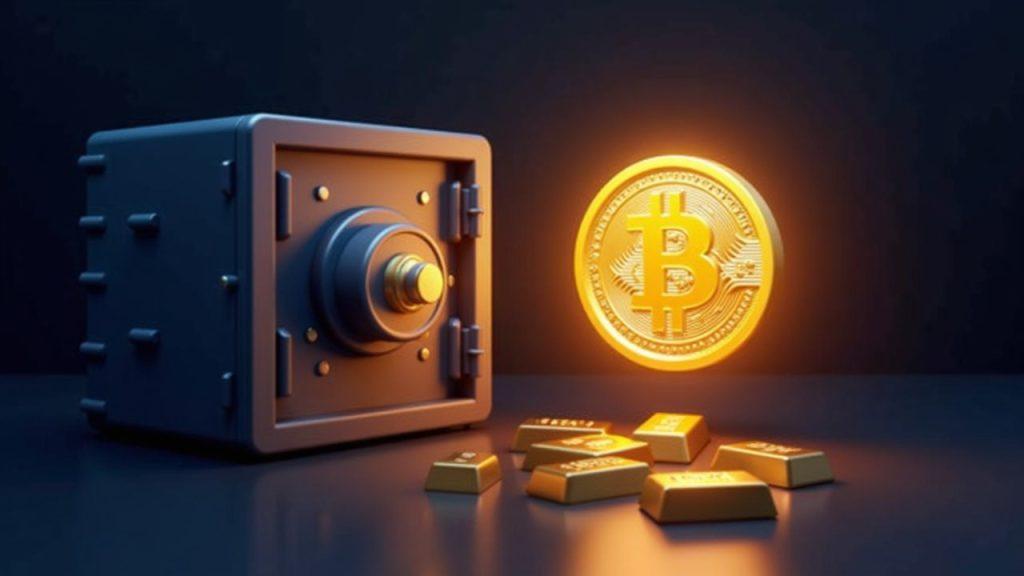
El Salvador’s Central Reserve Bank added a fresh layer to the country’s reserve story on January 29, 2026, buying $50 million worth of gold. The purchase totaled 9,298 troy ounces and lifted the central bank’s gold holdings to 67,403 ounces, a stock valued at about $360 million. It’s a straightforward move on paper, but it lands as a clear signal that the government still wants multiple “stores of value” in the same reserve toolkit.
At the same time, El Salvador has kept building its Bitcoin position. The country’s stash sits around 7,547 BTC, valued at roughly $620–$635 million. Taken together, the gold buy and the ongoing Bitcoin accumulation read less like a one-off trade and more like a deliberate diversification posture—traditional reserves on one side, a high-volatility alternative on the other.
https://twitter.com/bcr_sv/status/2016980079742439612
A diversification strategy that doesn’t avoid controversy
The gold purchase is notable in context because it’s described as only the second significant acquisition since 1990. That detail matters: this isn’t just routine rebalancing, it’s an intentional step that brings gold back into focus while Bitcoin remains part of the plan. Officials executed the gold transaction on January 29, 2026, while the Bitcoin strategy has been framed as a steady “buy the dip” approach, often described as roughly one Bitcoin per day.
This dual-track strategy continues under international scrutiny. The IMF, in connection with a $1.4 billion financing arrangement, previously asked El Salvador to halt public-sector Bitcoin purchases and required disclosure of the country’s Bitcoin holdings. In January 2025, policy was adjusted so Bitcoin acceptance became voluntary. Even with those guardrails and optics, the government has still kept buying—suggesting the Bitcoin position is not a temporary experiment but a reserve choice it intends to defend.
What supporters and critics are really arguing about
Supporters can point to a clean narrative: gold is the classic reserve anchor, Bitcoin is the asymmetric alternative. President Nayib Bukele’s comment—“We bought the other dip”—captures the opportunistic framing. But the critique is equally clear: Bitcoin’s volatility can behave like a risk asset in stress environments, which makes it a complicated fit for sovereign reserves that are typically built to reduce fragility, not add it. John Glover of Ledn put that tension directly by noting Bitcoin has not fully escaped its “risky asset” identity.
For stakeholders looking at sovereign risk—investors, counterparties, and compliance teams—the operational impact is the same: reserve valuation volatility rises, and transparency becomes the center of gravity. A reserve mix that includes both gold and Bitcoin forces harder questions about how holdings are disclosed, how drawdowns are handled, and what rules govern continued accumulation versus liquidation.
Next steps are likely to be shaped less by the gold trade itself and more by follow-on disclosures and any IMF reviews or conditions. The market will be watching whether El Salvador keeps tightening its reporting discipline at the same time it keeps adding to a reserve stack that includes a highly volatile asset.