

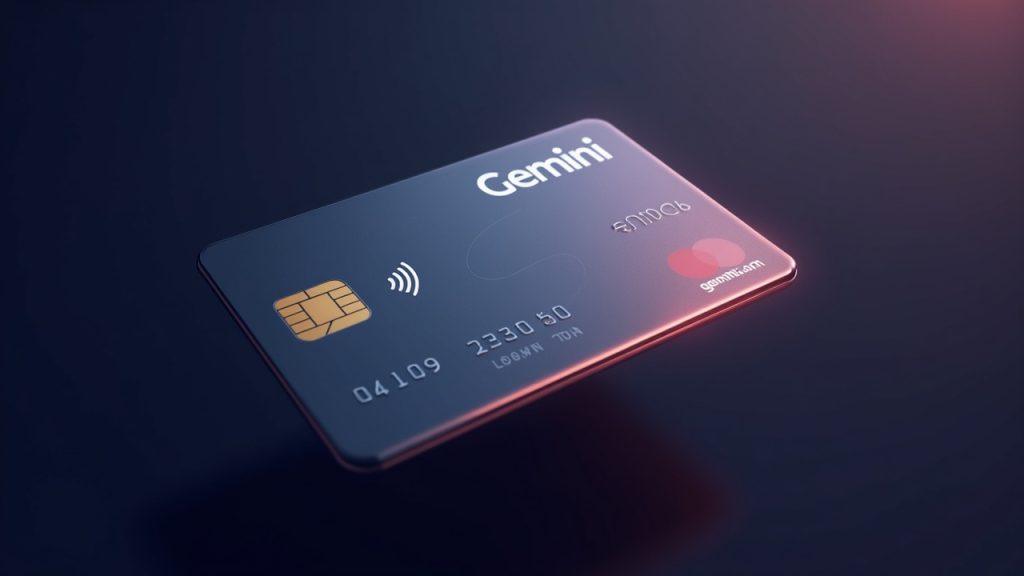
Gemini launched a Zcash Edition credit card on January 28, 2026, rolling out a limited-edition metal card that pays rewards directly in Zcash (ZEC). The core product pitch is simple: everyday card spend turns into ZEC rewards that are automatically deposited into a user’s Gemini account, with no annual fee.
What makes this launch notable is the strategic signaling behind it, not just the rewards mechanics. By pairing a mainstream payment instrument with a privacy-focused token, Gemini is making a deliberate bet that ZEC can move from “niche asset” into a more visible, utility-driven rewards rail.
Privacy is normal and a precondition to your freedom and self-sovereignty.
Your privacy journey begins today with the Zcash edition @Gemini Credit Card.
Onward. https://t.co/vFBHhtMV5s
— Tyler Winklevoss (@tyler) January 27, 2026
How the Rewards Structure Works
Gemini structured the Zcash Edition with a tiered schedule designed to map onto common consumer categories. Rewards are paid in ZEC and credited directly to the cardholder’s Gemini account, which effectively bundles rewards, custody, and accumulation into one workflow.
The headline tier is the 4% category, which applies to gas, EV charging, transit, taxis, and rideshare, capped at $300 in monthly spending before dropping to 1% after the cap. That cap-and-step-down design is a key economic lever because it limits high-rate exposure while still giving the product a strong “top-line” reward hook.
Beyond that, the card offers 3% back for dining, 2% for groceries, and 1% on all other purchases. The structure is clearly meant to keep ZEC accumulation tied to routine spend rather than requiring users to actively trade or time entries.
Gemini also positioned the card as part of its broader crypto rewards lineup, alongside Bitcoin, Solana, and XRP editions, and emphasized the limited metal format for premium positioning. In other words, the product is framed as both a rewards instrument and a brand signal.
The Strategic Context Behind the Launch
The rollout followed direct financial commitments tied to Zcash, which adds context to why this is being read as a coordinated push. On January 21, 2026, Tyler and Cameron Winklevoss donated 3,221 ZEC (about $1.2 million) to Shielded Labs, and Cypherpunk acquired 56,418 ZEC for roughly $29 million in late December 2025.
Taken together with the credit card release, those moves look less like isolated events and more like a deliberate endorsement of Zcash’s privacy technology. The combined message is that Gemini is investing capital, product surface area, and narrative attention into increasing ZEC’s visibility and perceived utility.
The announcement itself stayed focused on product economics and market positioning and did not provide technical disclosures about mining energy usage, emissions, or environmental impact. That omission narrows the conversation to adoption and compliance outcomes rather than lifecycle or sustainability framing.
From here, the market’s near-term scorecard is straightforward: user uptake, the volume of rewards flowing into Gemini custody accounts, and any compliance signals that emerge as a privacy-coin rewards product scales. Regulators and payment networks’ reactions—especially to a mainstream credit product built around a privacy token—will be the gating factor that determines whether this becomes a meaningful demand driver or remains a limited-edition experiment.