

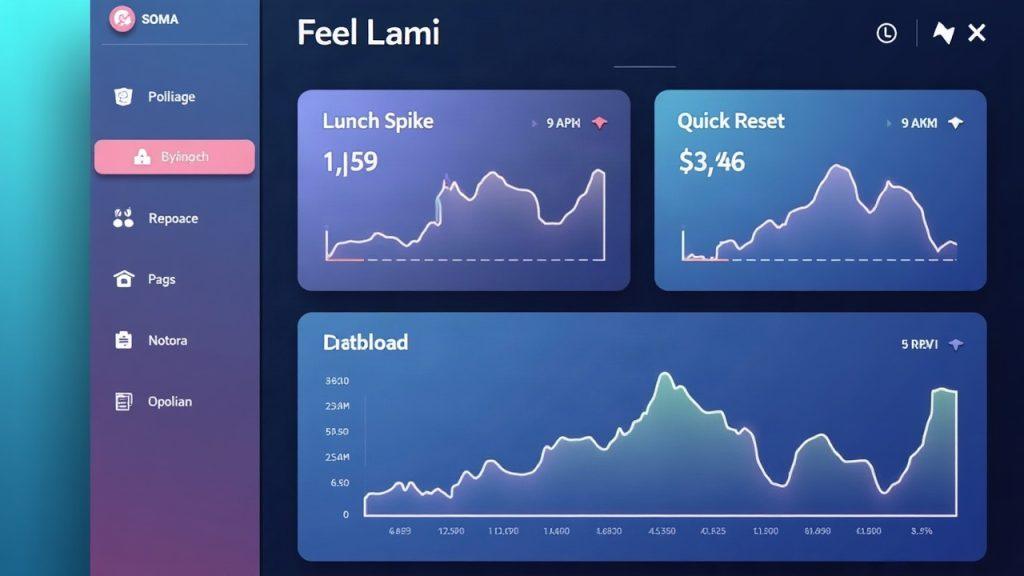
Orca has introduced two new Adaptive Fee profiles for its Solana liquidity pools, giving pool creators additional control over how trading fees respond to short periods of market volatility. The new Launch Spike and Quick Reset profiles modify how quickly adaptive fees rise or return toward their base level, targeting two different patterns commonly seen in token markets.
According to an official Orca announcement, Launch Spike is designed primarily for new token launches, while Quick Reset targets assets that experience recurring bursts of volatility. Both profiles build on Orca’s existing Adaptive Fee system rather than replacing its concentrated-liquidity AMM architecture.
Orca pool creators can now pick from two new Adaptive Fee profiles.
Launch Spike: for new token launches
Quick Reset: for tokens with frequent bursts of volatilityWhen price moves, your pool's fee responds. Each profile changes how hard it rises and how fast it resets ↓ pic.twitter.com/2gOuf51IoH
— Orca 🌊 (@orca_so) October 22, 2026
Launch Spike and Quick Reset Target Different Volatility
Launch Spike is available on Orca’s 0.16% base fee tier. Following a price move, the profile increases adaptive fees twice as quickly as Orca’s default configuration and can raise the total fee to as much as 5%. The structure is intended for launch environments where abrupt price movements can expose liquidity providers to rapidly changing execution conditions.
Quick Reset takes the opposite approach to the post-volatility period. Available on the 1% fee tier, the profile returns the pool’s fee to its base rate after 30 seconds of price stability. That shorter reset window is intended for tokens that repeatedly move sharply but spend intervals trading under calmer conditions between those bursts.
The distinction matters because fee configuration affects both sides of a concentrated-liquidity market. Higher fees during volatile periods can increase the compensation earned by liquidity providers from trades, while lower fees can make a pool more competitive for routing once volatility subsides. Neither outcome is guaranteed, however, because LP performance also depends on price direction, liquidity ranges, trading flow and how competing venues are priced.
Orca has already been competing for order flow within a fragmented Solana DEX environment. Recent data showed routing shifting between native Solana liquidity pools, illustrating how aggregators can redirect trades as available liquidity and execution conditions change. Adaptive fee behavior therefore becomes one variable in determining whether a pool remains attractive to routed trades.
Orca Gives Pool Creators More Granular Controls
The update does not create a new type of AMM. Orca’s Whirlpools already support adaptive fee logic, with protocol parameters tracking variables such as volatility and time since market movement. Launch Spike and Quick Reset package different responses to those variables into predefined profiles that pool creators can select, reducing the need for a single fee response to accommodate very different token behaviors.
That specialization fits a broader evolution of Orca’s liquidity infrastructure. The protocol has deployed managed liquidity products, including incentivized vault infrastructure for tokenized real-world assets, while its Whirlpools have also captured growing tokenized-stock trading activity on Solana. Different asset classes and trading patterns can place materially different demands on liquidity configuration.
Orca itself is also operating within a wider organizational transition after merging with Loopscale to create Formation, combining liquidity infrastructure with credit and vault products while keeping the underlying protocols operational. The Adaptive Fee additions are a product-level change within Orca rather than a direct consequence of that merger, but they arrive as its liquidity stack becomes part of a broader Solana capital-markets platform.
For liquidity providers, the practical change is narrower but measurable. Pool creators can now choose fee behavior designed either to react more aggressively to launch volatility or to normalize more quickly after recurring price shocks. The profiles do not guarantee higher LP returns or better trader execution, but they give Orca pools more specific parameters for balancing fee capture against routing competitiveness as market conditions change.