

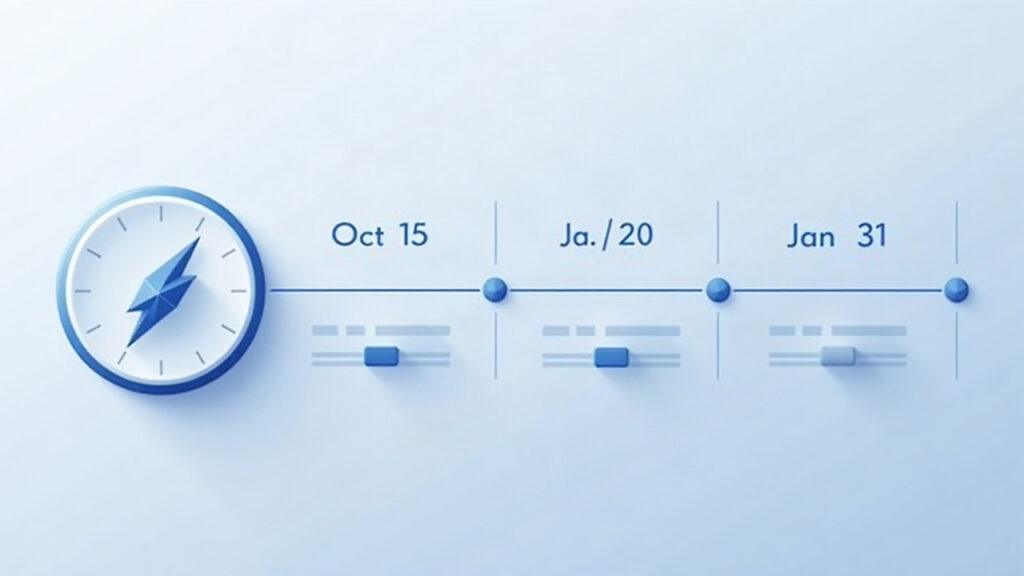
StandX is shutting down its perpetual futures platform and abandoning its planned token launch after reviewing its business and market conditions. The decentralized derivatives venue has begun a staged wind-down that will terminate yields, restrict new trading and ultimately end DUSD redemptions and platform withdrawals by January 31, 2027.
According to StandX’s official announcement, the platform has served more than 237,000 users since its November 2025 mainnet launch and reached peak TVL above $200 million. Those figures are company-reported historical metrics rather than evidence that the platform maintained that level of liquidity through its final operating period.
Independent protocol data provides a more current snapshot. DeFiLlama’s StandX dashboard recently showed approximately $26.4 million in TVL, $12.2 billion in 30-day perpetual volume, $141 billion in cumulative perp volume and roughly $21.5 million in open interest. The data shows that substantial trading activity persisted even as locked capital stood far below StandX’s reported historical peak.
— StandX (@StandX_Official) October 15, 2026
Trading Moves to Reduce-Only Before January Closure
StandX ended DUSD yield, Position Yield, Community Maker Yield and referral commissions on October 15 while stopping new vault creation and ordinary deposits. Perpetual markets will switch to reduce-only mode on October 20, preventing traders from opening new exposure or increasing existing positions while still allowing them to unwind risk.
New registrations and DUSD minting will also stop on October 20, alongside new Block Trades and Block Options. Margin top-ups will remain possible where necessary to support existing positions. On January 15, StandX plans to cancel remaining orders and close every open position at the prevailing Mark Price, while its SLP, Community Strategy and Community Shield vaults settle at final NAV.
The structure reflects risk controls already built into StandX’s derivatives infrastructure. Its official documentation defines reduce-only orders as transactions that can decrease existing exposure without increasing position size. During the wind-down, that mechanism becomes a platform-wide exit control rather than an ordinary trader-selected risk setting.
DUSD adds another layer because it functions as both a yield-bearing stablecoin and collateral within the perpetual exchange. StandX’s documentation describes DUSD as backed through a market-neutral structure combining collateral assets with short derivatives positions. Closing the trading venue therefore requires an orderly unwind of both leveraged positions and the stablecoin infrastructure supporting them.
DUSD Airdrop Replaces the Planned Token Launch
StandX has also cancelled its planned token generation event. Instead, the project will distribute a one-time DUSD airdrop funded by remaining project revenue and additional team contributions, with no vesting or lockup after eligible users claim their allocation.
Eligibility will consider activity including pre-deposits, Alpha participation, mainnet trading, market making and referrals, subject to anti-Sybil and wash-trading screening. The eligibility checker opens October 26 at 00:00 UTC, while claims run from November 1 at 00:00 UTC through December 31 at 08:00 UTC. StandX has not disclosed the aggregate value of the distribution.
After positions are closed in January, users will need to move balances from their Perps Wallet to their Cash Wallet before withdrawing onchain. January 31 is the final deadline for platform withdrawals and DUSD redemption requests, after which StandX also plans to remove its own DUSD liquidity from PancakeSwap and Raydium.
The closure arrives after decentralized perpetual markets expanded rapidly across multiple venues, with the sector previously showing large increases in onchain derivatives volume. StandX’s experience nevertheless illustrates that high notional volume and peak TVL do not independently establish a sustainable business model, particularly when incentives, liquidity requirements and operational costs remain significant.
The project has not attributed the shutdown to a security incident, insolvency or specific technical failure. Its public explanation remains a review of business and market conditions. The relevant test now shifts from growth metrics to execution of the wind-down itself: closing leveraged exposure at the stated timetable, maintaining DUSD redemptions and allowing users to withdraw assets before the final January deadline.